Exercise
This exercise first looks at 12 18th and 19th Century landscape paintings in order to look for comanality between them. It then goes on to look at landscape photographs to look for similarity and difference.
18th and 19th Century Landscape Paintings
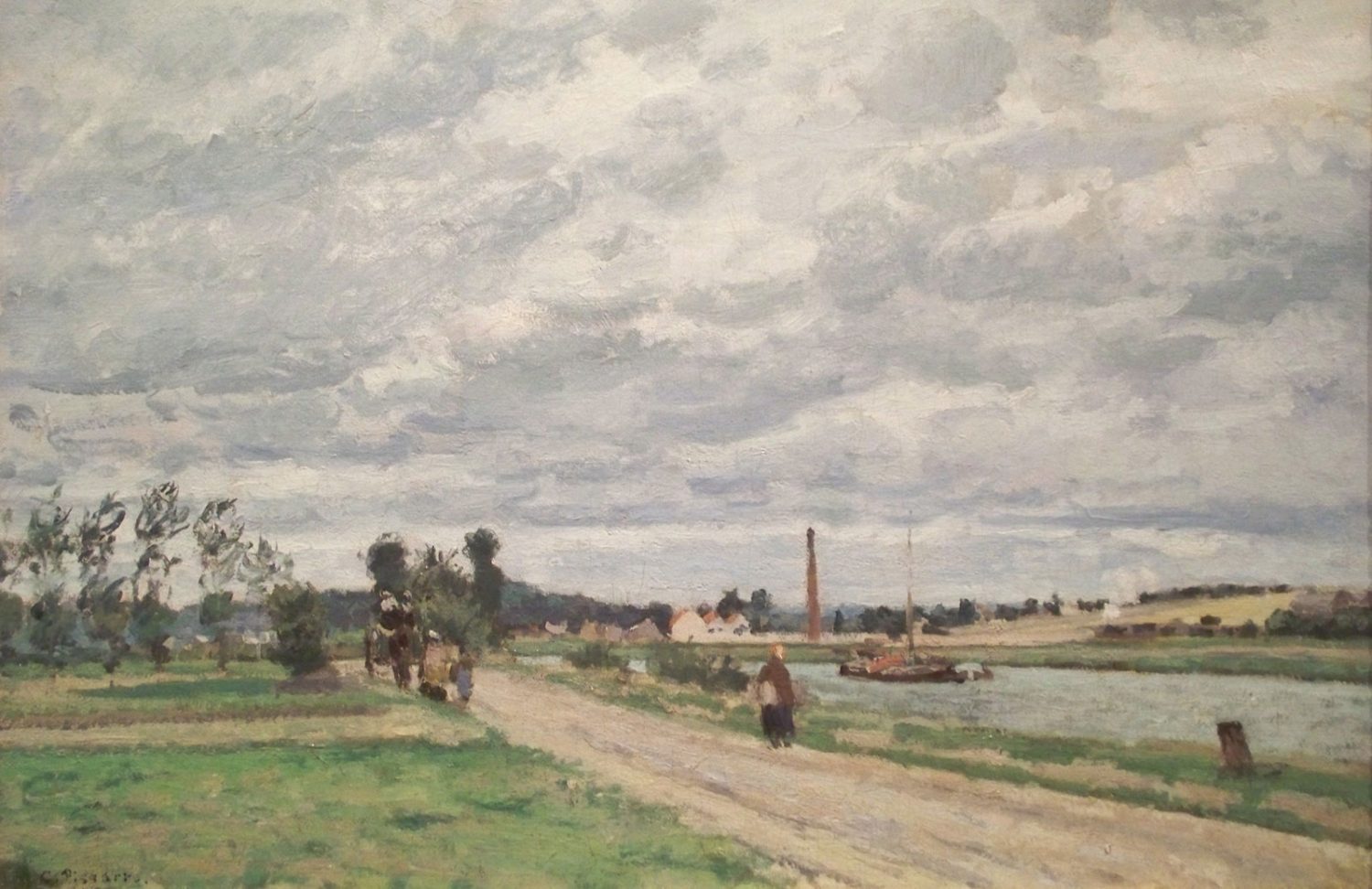
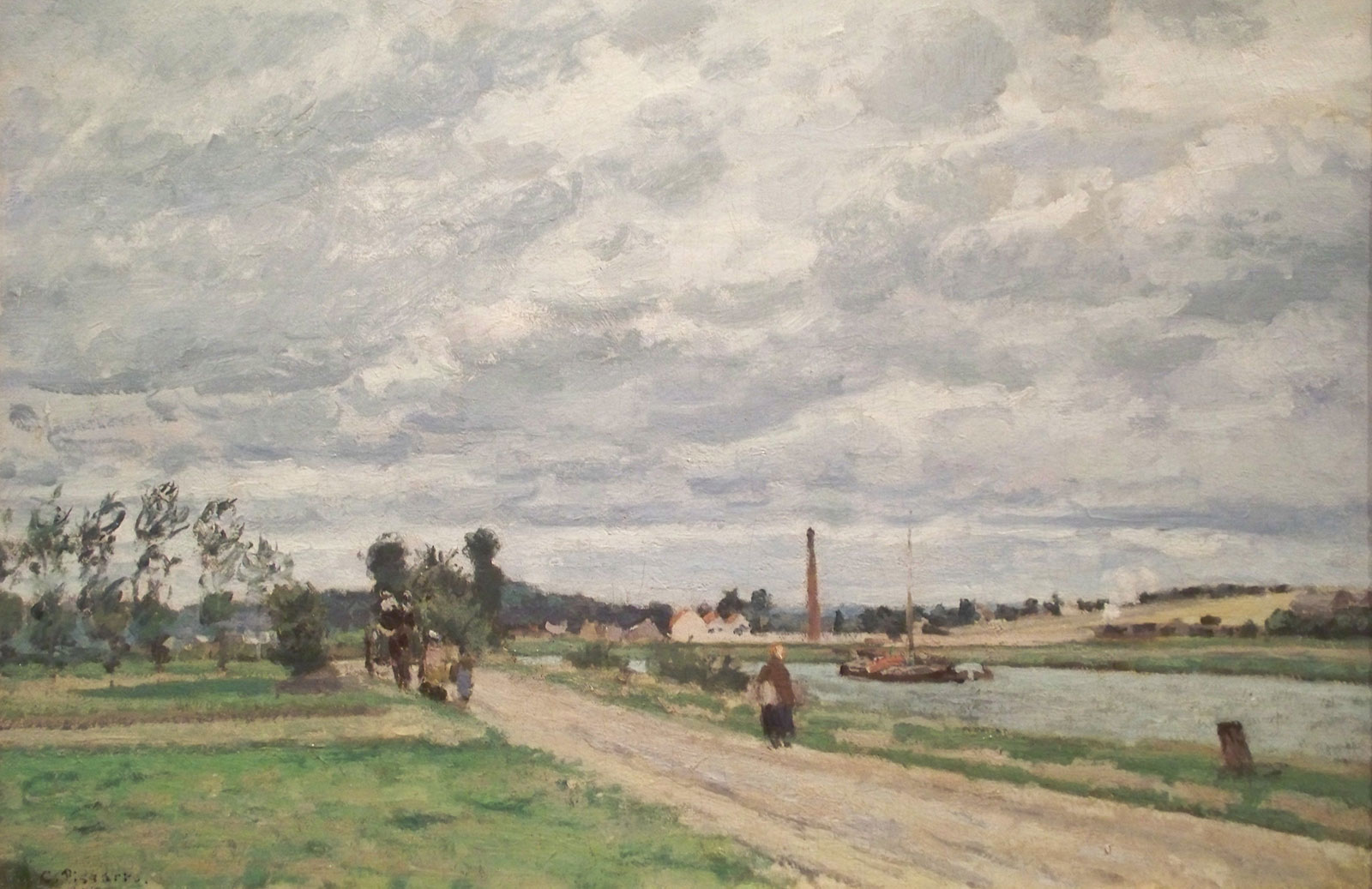
Fig. 1. Banks of the Oise Near Pontoise (1873) 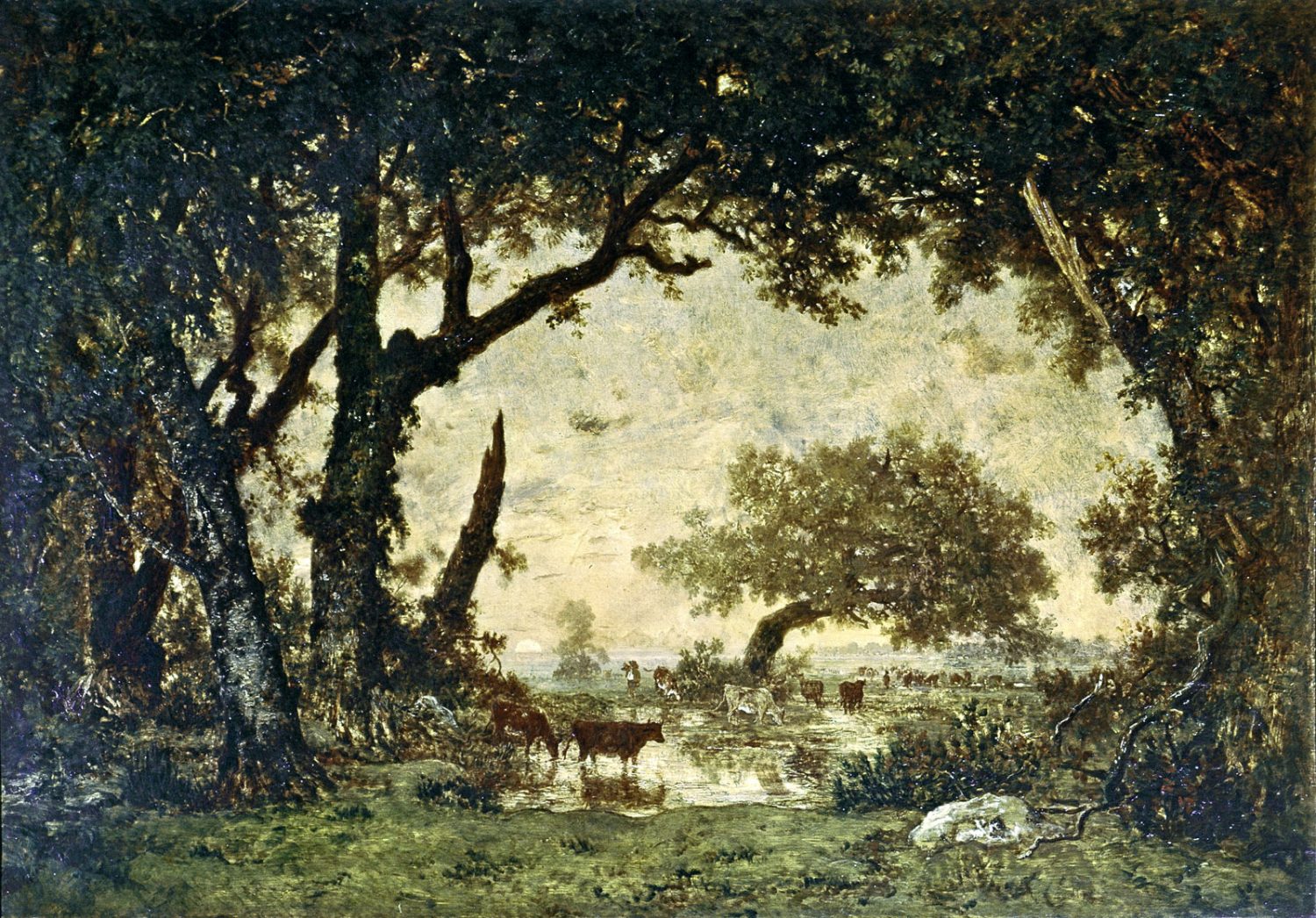
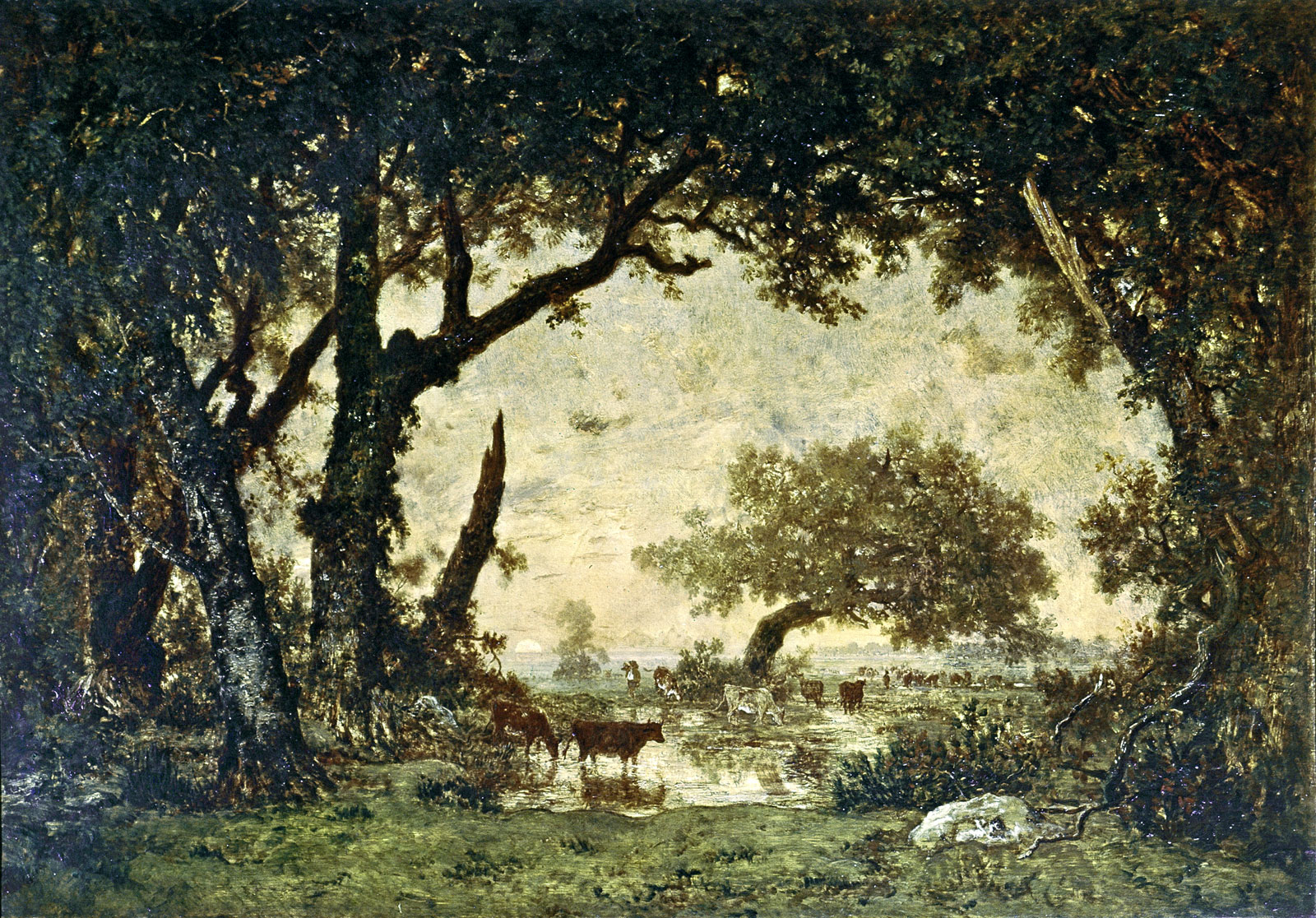
Fig. 2. The Forest at Fontainebleau (1848) 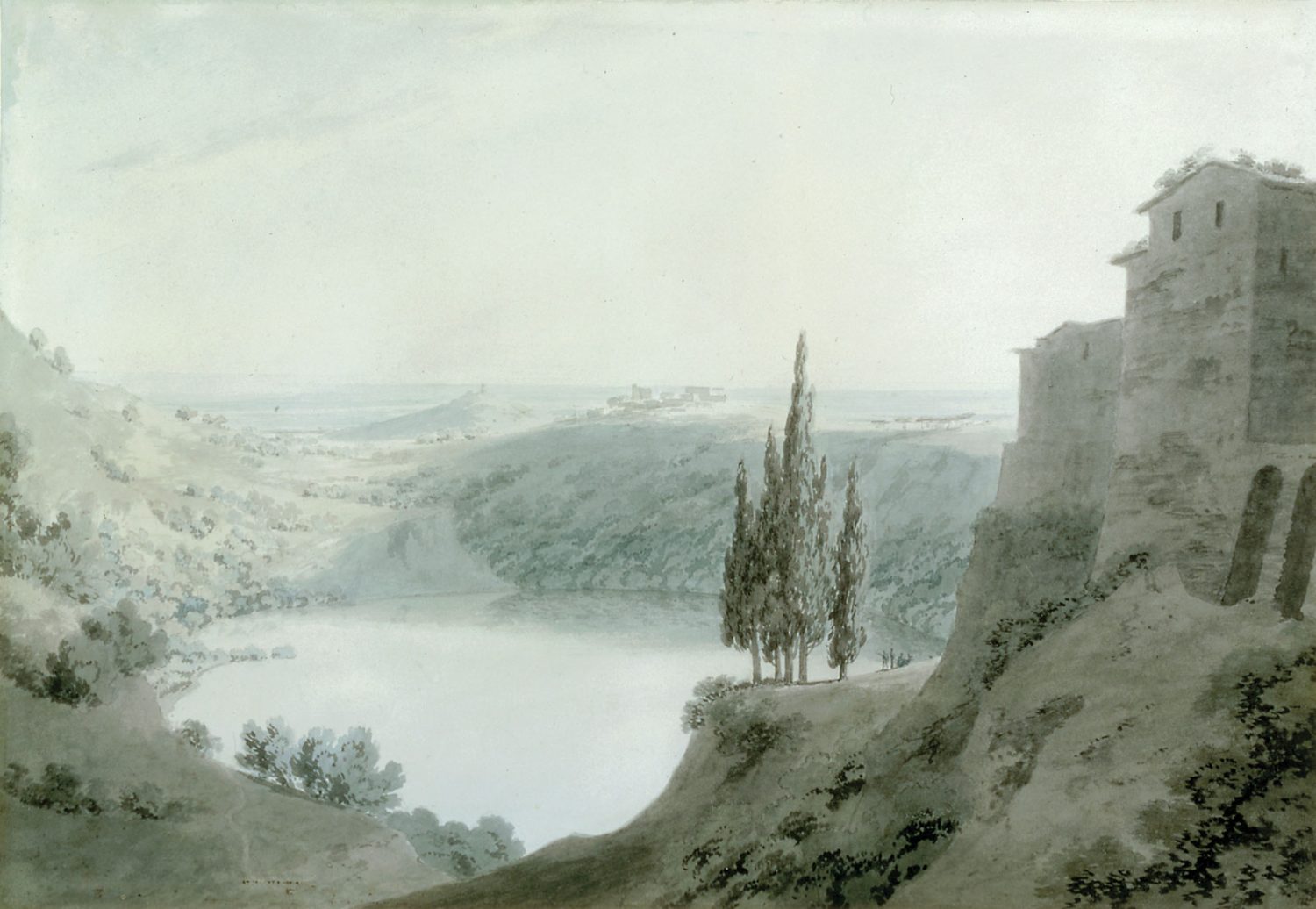
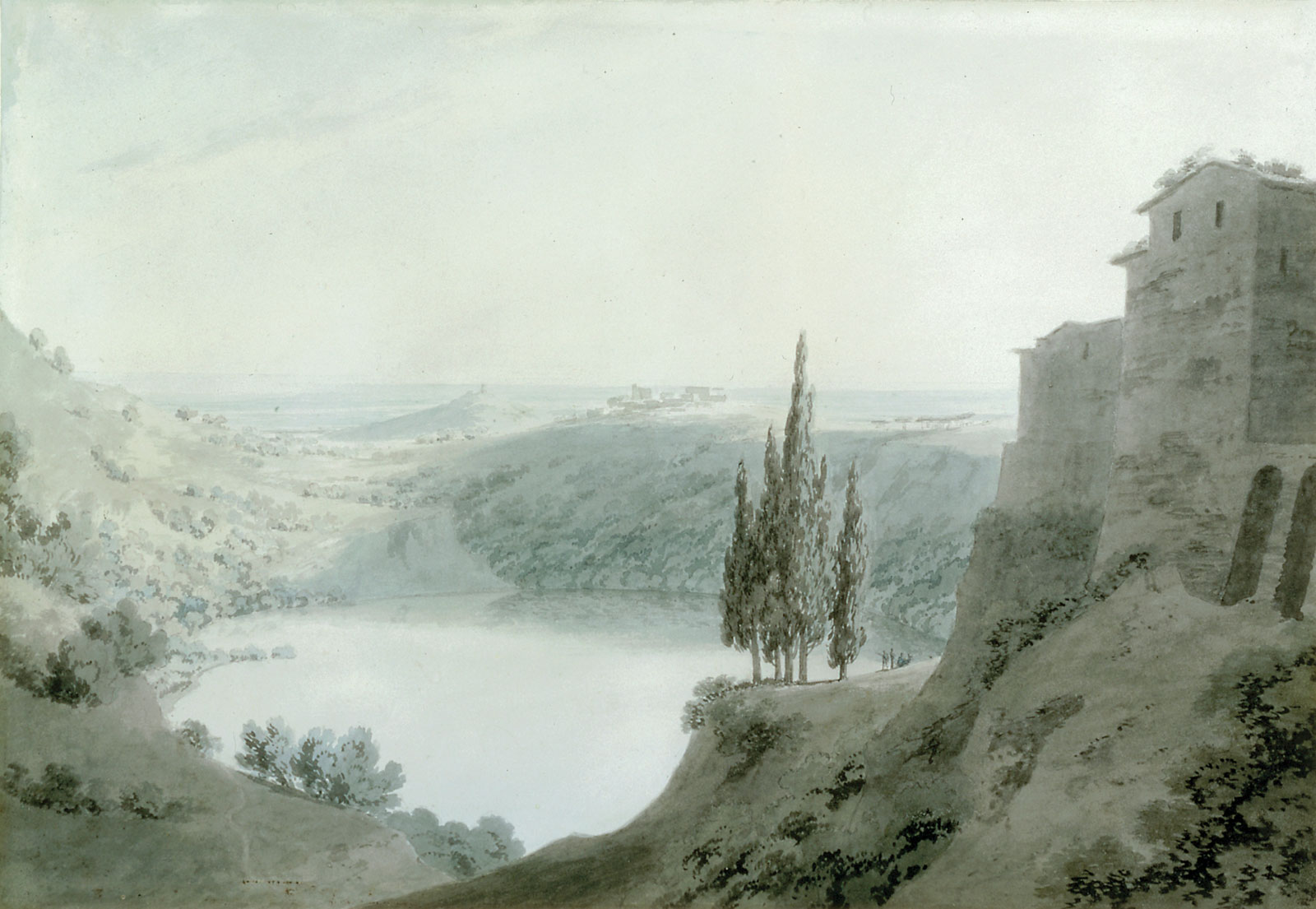
Fig. 3. Lake Nemi Looking Towards Genzano (1750) 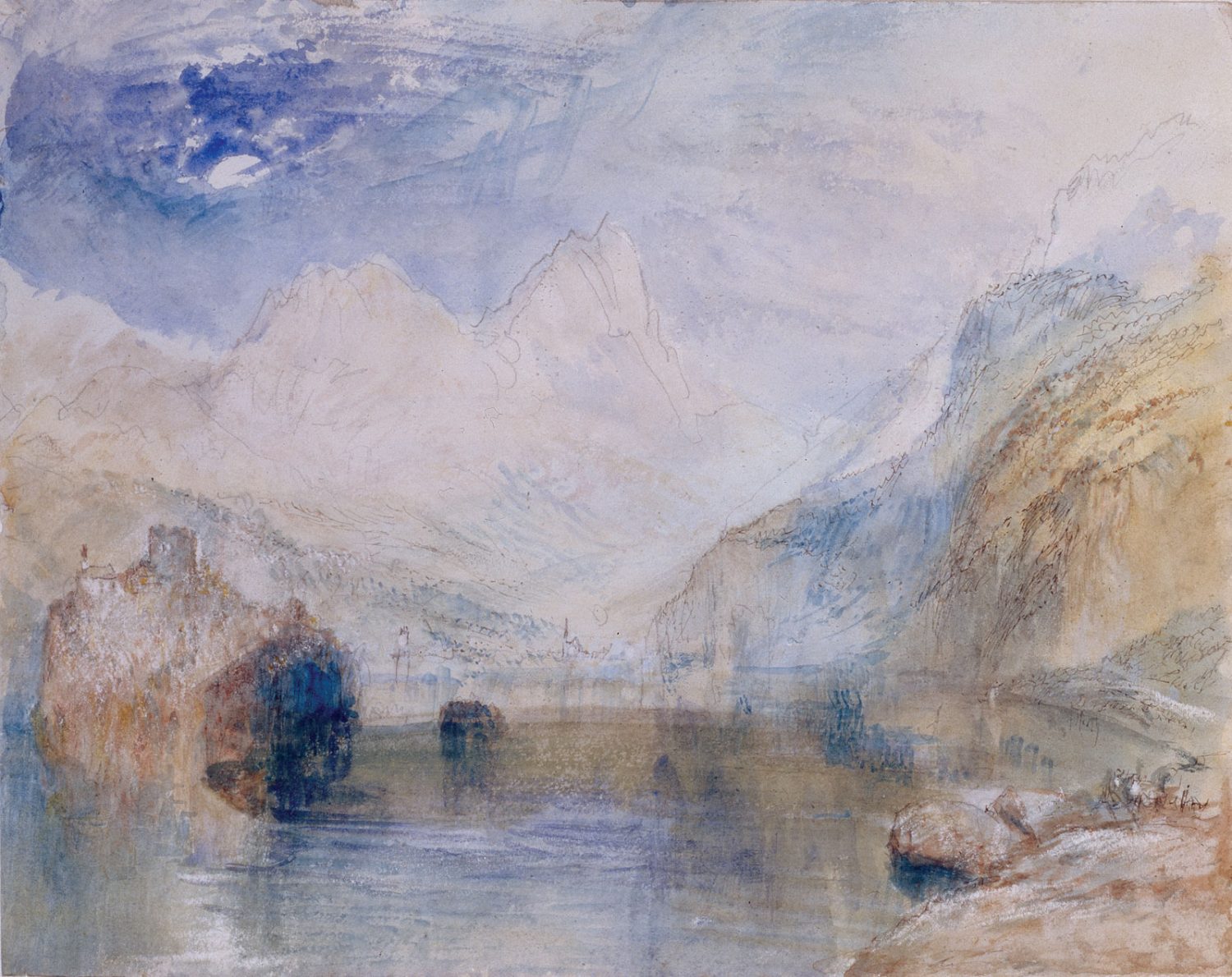
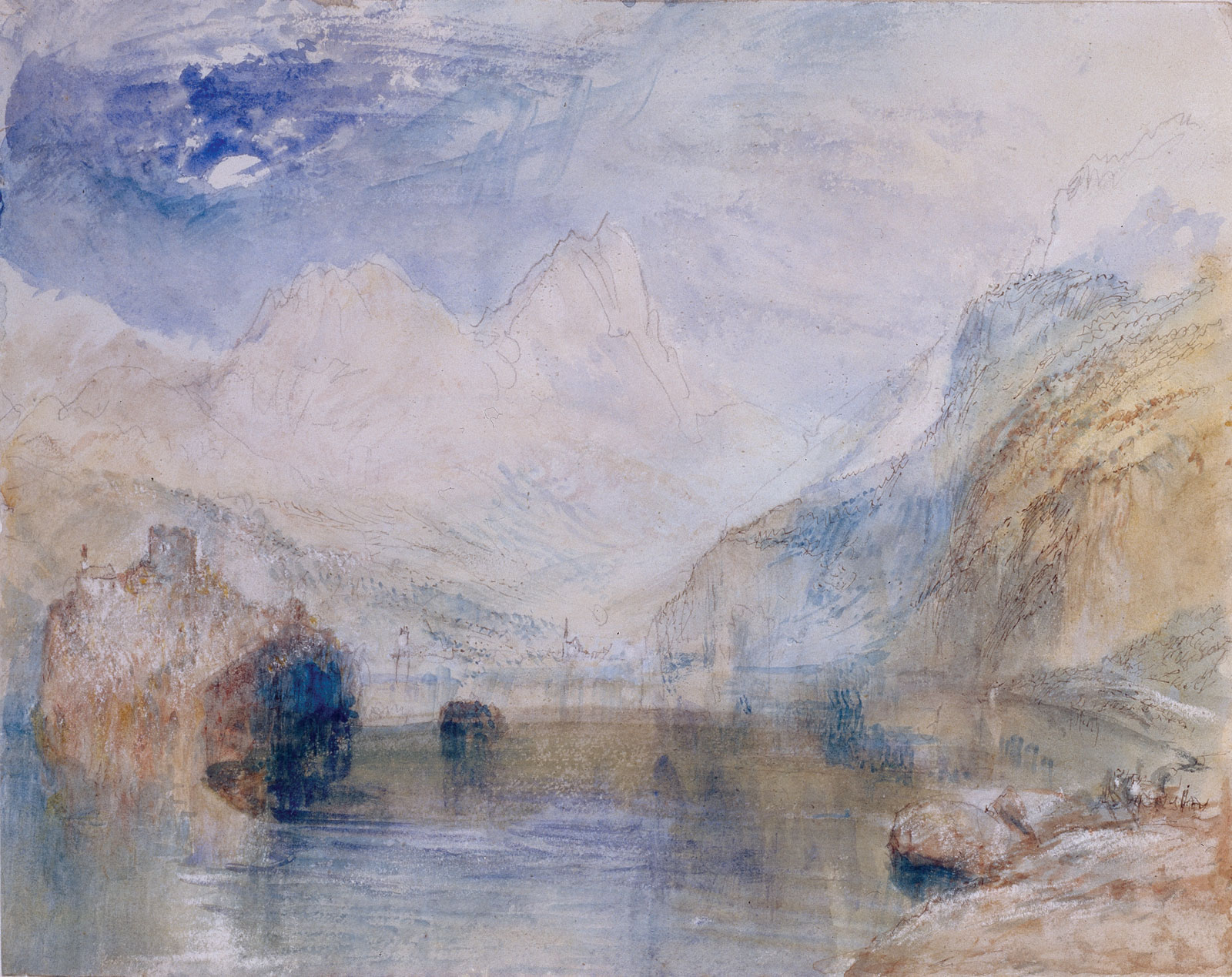
Fig 4. Lauerzese With Schwyz And The Mythen (1848) 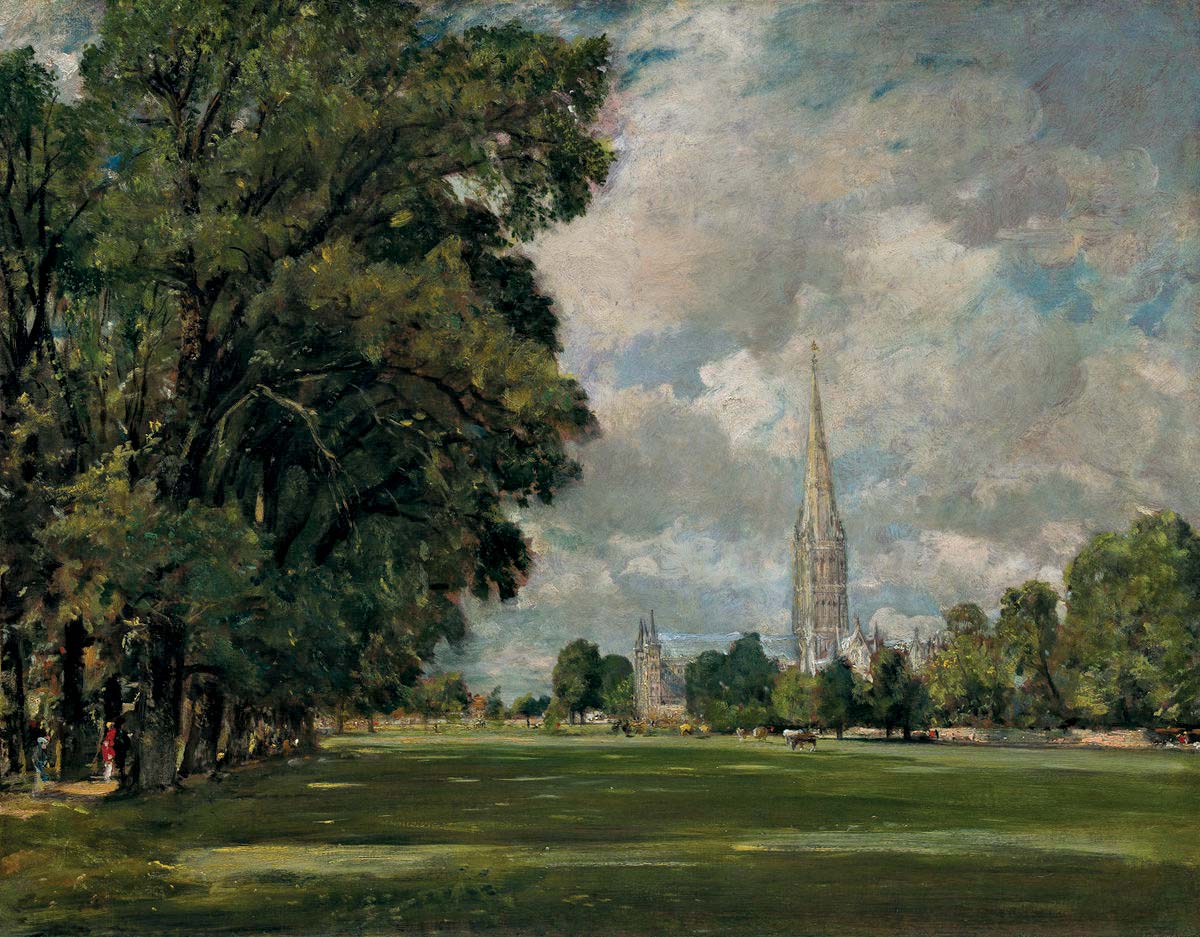
Fig. 5. Salisbury Cathedral Salisbury Cathedral From Lower Marsh Close (1820) 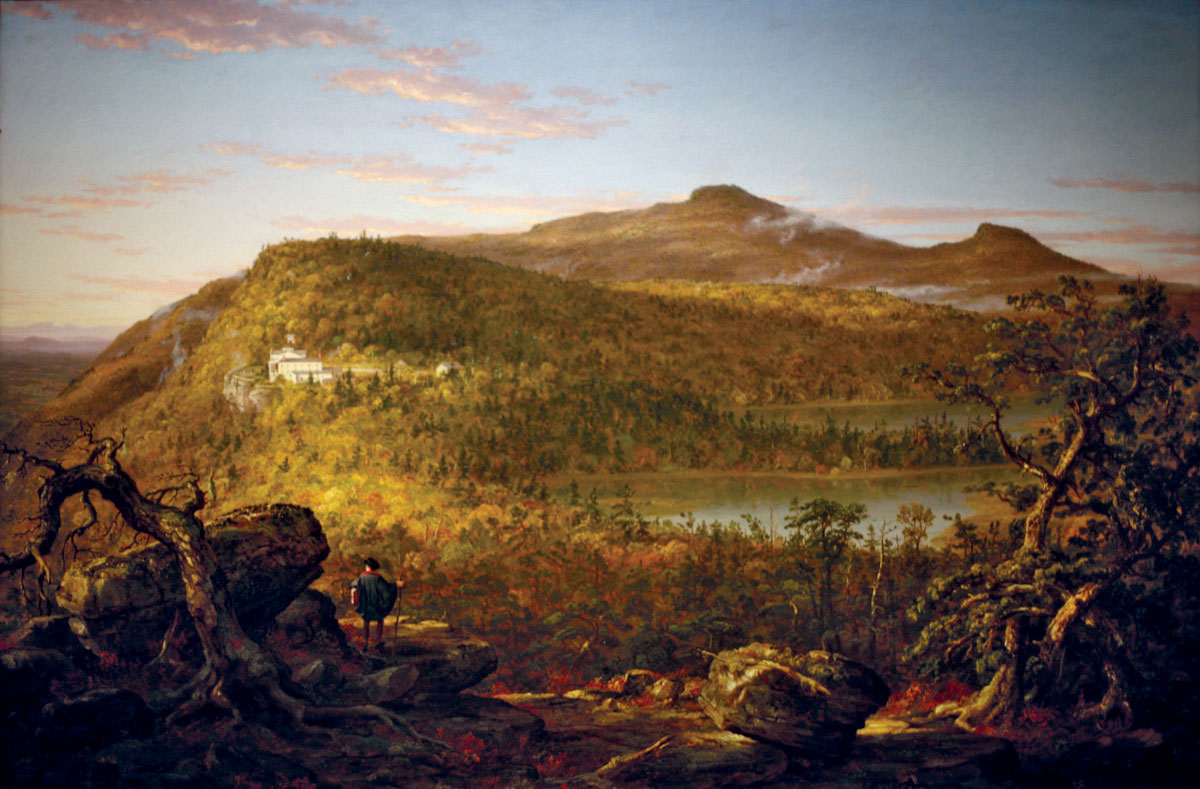
Fig. 6. A View Of The Two Lakes And Mountain House, Catskill Mountains, Morning (1844) 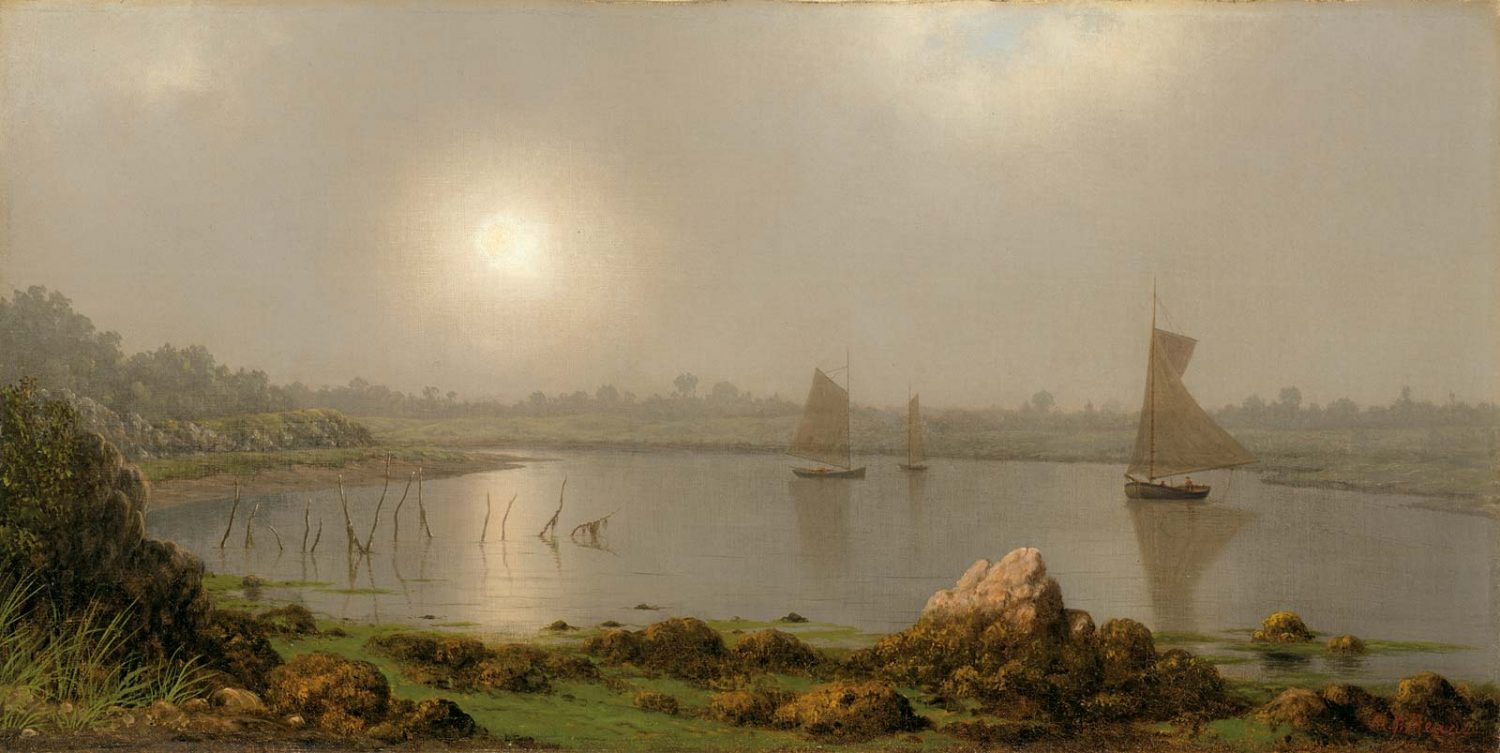
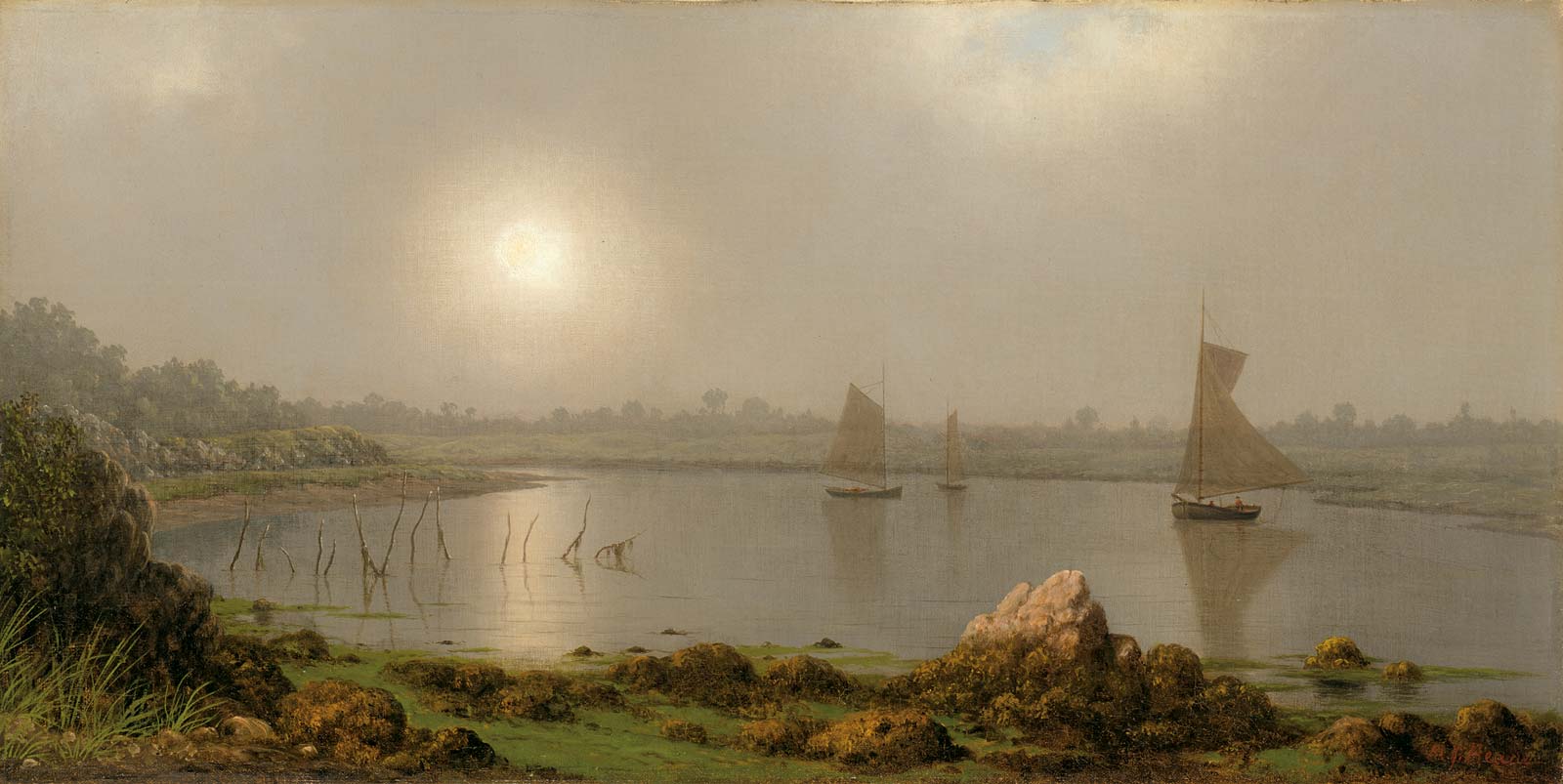
Fig. 7. York Harbor, Coast Of Maine (1877) 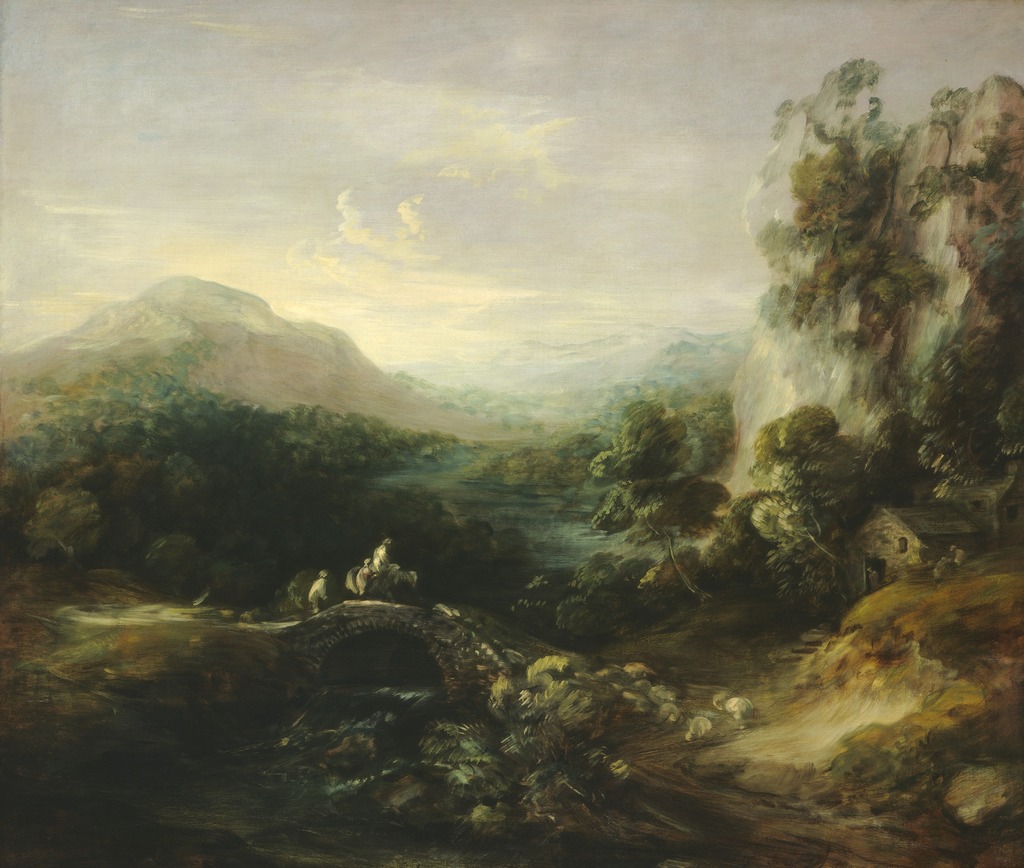
Fig. 8. Mountain Landscape With Bridge (1984) 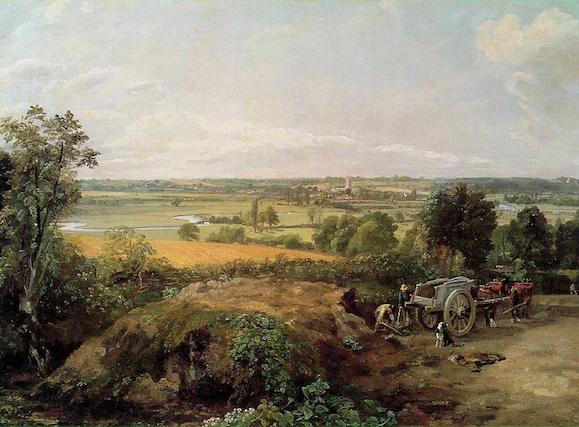
Fig. 9. Stour Valley and Dedham Village (1814) 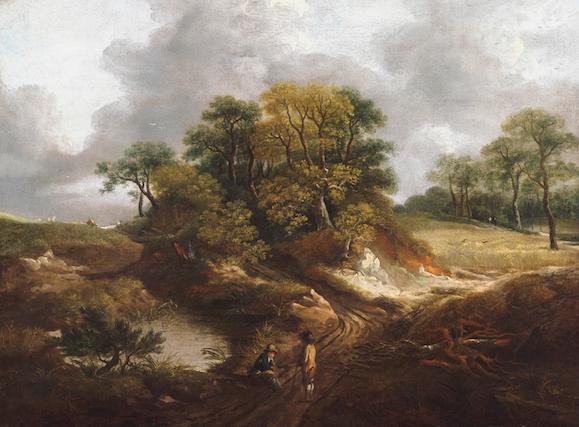
Fig. 10. View Outside Sudbury (1740) 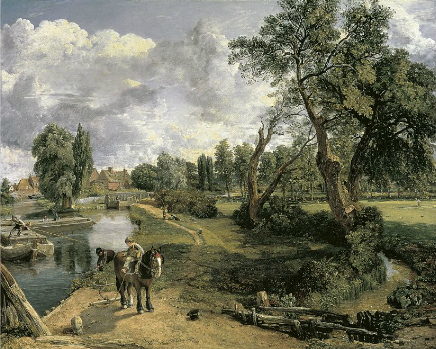
Fig 11. Flatford Mill (“Scene On A Navigable River”) (1817) 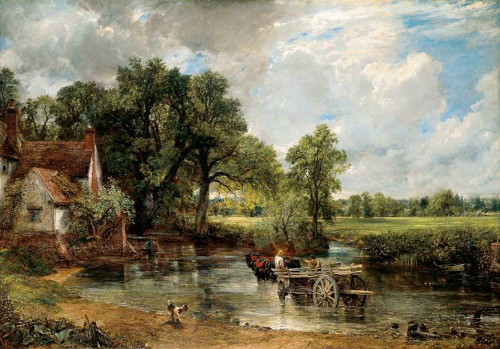
Fig 12. The Hay Wain (1821)
Commonalities between the paintings
Colour wise. most of the images show lush green lands, with a blue sky in the background. This is true where I have chosen the same artists eg Constable, but also across the different artists.
Composition wise, many of the images follow a similar layout to my own sketch in Exercise 1. That is mountains or hills at the edges and rear of the image, then dipping down into something of interest running through the centre of the image. For example in Fig. 11, there is a river running through the scene. This is followed by something in the foreground – in my sketch, this was sheep and a gate, in these images it tends to be people or people travelling in a court. All have clouds in the sky, none are pure blue skies.
All of the images aim to create a perspective, showing near, middle and far ground. None of them are flat, or focussed purely on the foreground.
Only one, The Forest (see Fig. 2), moves away from this formula. In that image, the close-up trees create a frame for the scenery that is further away but even then, the far-away scene is another tree that echoes those in the foreground and therefore a sense of depth is perceived.
Figure 7 is interesting. Showing York Harbour, the painting could have had water running along its bottom edge but the artist has chosen to include the rocky edge of the bay. This creates a sense of space and size and shows us the boundary of the water. I found this interesting because it is exactly how I would have chosen to frame a photograph of the view.
Photographs Following This Formula
Fig 13 below by Adams follows the formula in the way that it has mountains in the background and a river running through the scene which draw one’s eye through the scene and adds a sense of perspective. Perhaps what is slightly different is that the ‘view’ is taken from an elevated position and so the foreground is perceived as being below the view rather than at the same level.
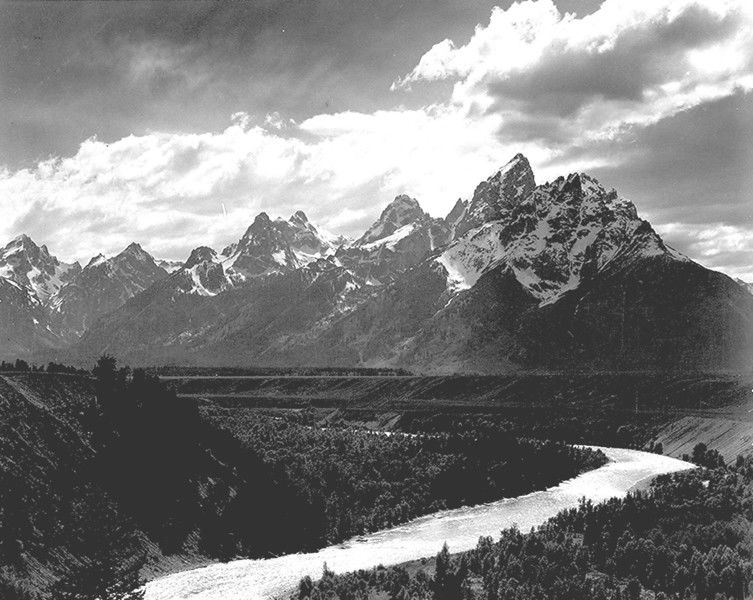
Figure 14, also by Adams is different, it does not follow the formula and makes the mountain the main subject of the image rather than it being a backdrop. The foreground is similar though with trees at either side of the image to ‘frame’ it. I chose to include the image in this exercise as it shows the different approaches that one photographer can take. Adams took many images with almost the same framing but in different seasons or weather conditions, again illustrating how variation is possible.
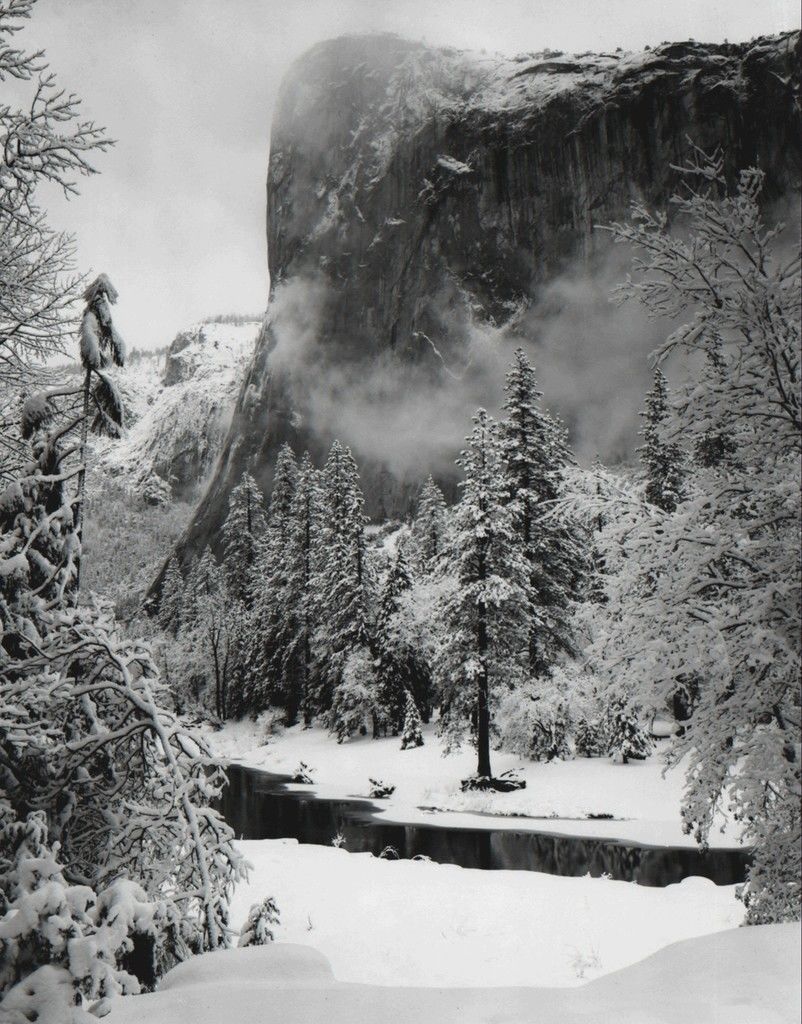
Figure 15, is very much composed in the same as the painting, and combined with it being in colour with an overall green effect, could easily be a painting. There are hills in the background, a building in the middle ground, a river bed moving through the scene, and animals in the foreground. This is very similar to Figures 11 and 12.
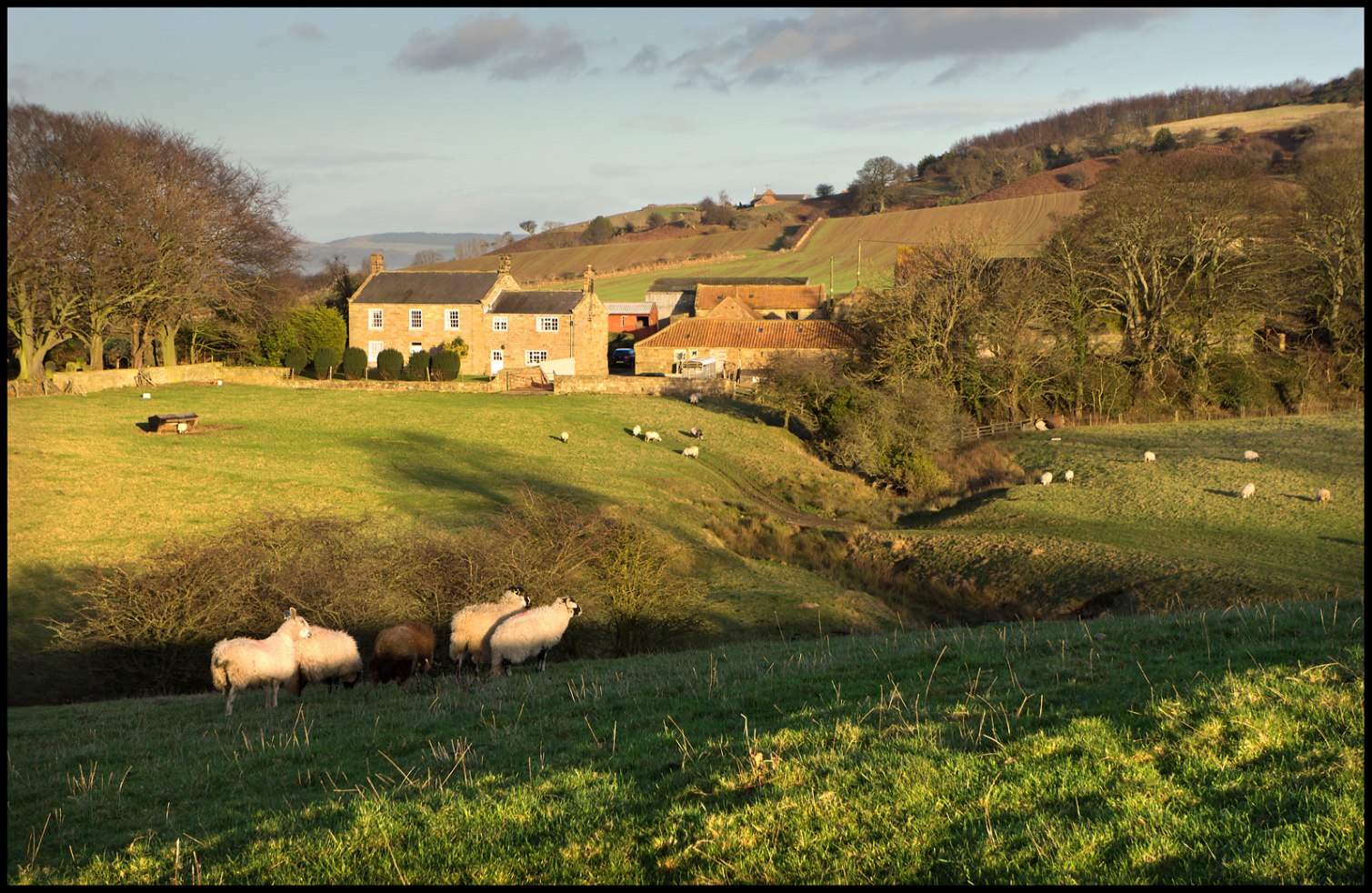
Figure 16 also quite closely resembles some of the paintings, Fig. 4 and 10 being close examples. Perhaps the main difference in this image compared to the paintings is that the image is not symmetrical left to right. In this image, the foreground is to the right, the mid ground to the left, and then the background runs across the full width of the picture. Also there is no object or reason for the picture in the foreground, the picture is more about the overall view rather than in the paintings which would typically have a person, or home, or animal in the foreground – usually because the painting was commissioned by the owner of that object.
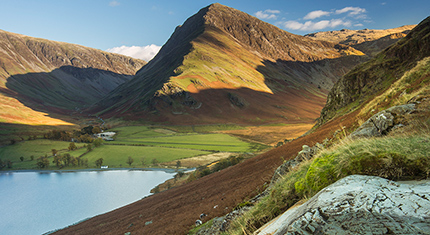
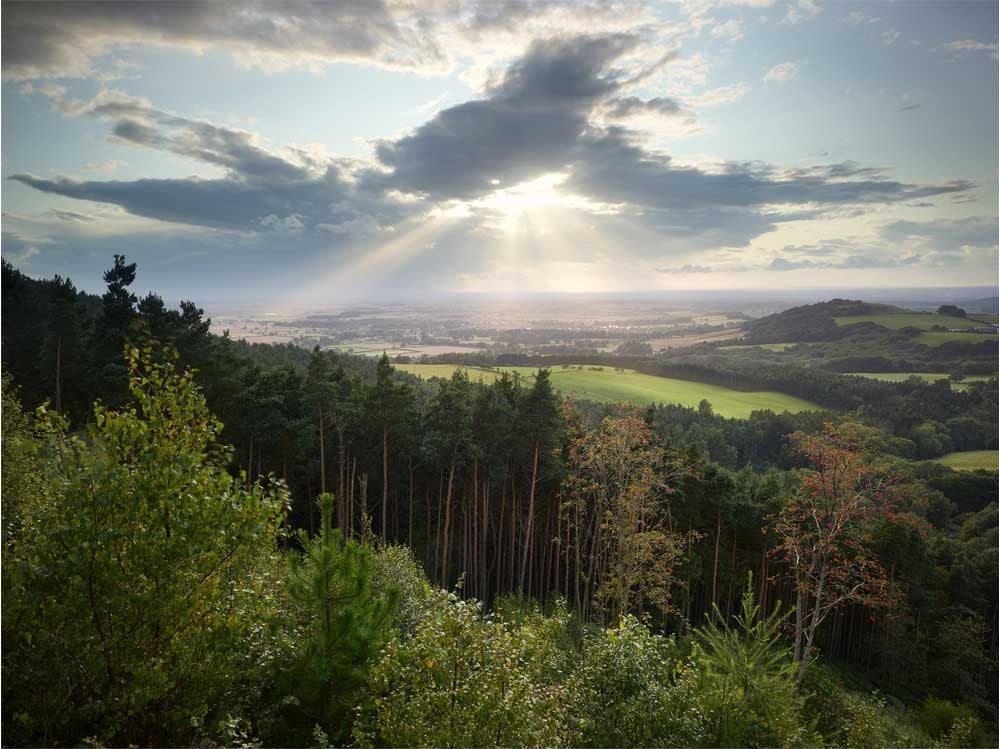
Figure 17 is similarly all about the view rather than a specific object in the foreground. It also shares the unbalanced view from side to side.
Learnings
Many of the painting follow quite a repetitive formula. They do this in many instances as a reflection of the person who commissioned the painting.
Likewise, there are many photographs that also follow this formula. With the lower impact of commissions from aristocracy, there is less evidence of a specific object needing to be prevalent in the foreground.
During my research I looked at many ‘current’ landscape photographers and they move away from the view all together and adopt a variety of image framings. An example of this is Fig. 18 below by Partyka. It is this style of photography that I find myself more attracted to.

Figures
Figure 1. Pissarro, C., 1873. The Banks Of The Oise Near Pontoise. [image] Available at: <https://cdn.britannica.com/45/134045-050-7CB4F6DD/Banks-of-the-Oise-oil-canvas-Pontoise-1873.jpg> [Accessed 18 October 2020].
Figure 2. Rousseau, T., 1848. The Forest At Fontainebleau. [image] Available at: <https://cdn.britannica.com/64/29764-050-AAB70AEF/Forest-oil-canvas-Fontainebleau-Theodore-Rousseau-Louvre-1848.jpg> [Accessed 18 October 2020].
Figure 3. Cozens, R., 1750. Lake Nemi, Looking Towards Genzano. [image] Available at: <https://cdn.britannica.com/28/95828-050-89530FA8/Lake-Nemi-paper-watercolour-pencil-Genzano-John.jpg> [Accessed 18 October 2020].
Figure 4. Turner, J., 1848. The Lauerzersee With Schwyz And The Mythen. [image] Available at: <https://cdn.britannica.com/44/95844-050-877F3787/Lauerzersee-Schwyz-watercolour-ink-pencil-pen-paper-1848.jpg> [Accessed 18 October 2020].
Figure 5. Constable, J., 1820. Salisbury Cathedral From Lower Marsh Close, Oil On Canvas By John Constable. [image] Available at: <https://cdn.britannica.com/18/166218-050-AF682777/Salisbury-Cathedral-oil-canvas-Lower-Marsh-Close-1829.jpg> [Accessed 18 October 2020].
Figure 6. Cole, T., 1844. A View Of The Two Lakes And Mountain House, Catskill Mountains, Morning. [image] Available at: <https://cdn.britannica.com/95/133495-050-407534C1/View-oil-canvas-Two-Lakes-Mountain-House-1844.jpg> [Accessed 18 October 2020].
Figure 7. Heade, M., 1877. York Harbor, Coast Of Maine. [image] Available at: <https://cdn.britannica.com/94/69594-050-4F3B9C5C/York-Harbor-oil-canvas-Maine-Martin-Johnson-1877.jpg> [Accessed 18 October 2020].
Figure 8. Gainsborough, T., 1784. Mountain Landscape With Bridge. [image] Available at: <https://www.artsy.net/artwork/thomas-gainsborough-mountain-landscape-with-bridge> [Accessed 18 October 2020].
Figure 9. Constable, J., 1814. Stour Valley And Dedham Village. [image] Available at: <https://www.visitsuffolk.com/blog/constable-and-gainsborough-in-suffolk.aspx> [Accessed 18 October 2020].
Figure 10. Gainsborough, T., 1740. View Outside Sudbury. [image] Available at: <https://www.visitsuffolk.com/blog/constable-and-gainsborough-in-suffolk.aspx> [Accessed 18 October 2020].
Figure 11. Constable, J., 1817. Flatford Mill (“Scene On A Navigable River”). [image] Available at: <https://www.nga.gov/features/slideshows/constable-great-landscapes.html#slide_2> [Accessed 18 October 2020].
Figure 12. Constable, J., 1821. The Hay Wain. [image] Available at: <https://www.nga.gov/features/slideshows/constable-great-landscapes.html#slide_4> [Accessed 18 October 2020].
Figure 13. Adams, A., 1942. The Tetons And The Snake River. [image] Available at: <https://www.phototraces.com/creative-photography/famous-landscape-photographers/> [Accessed 26 October 2020].
Figure 14. Adams, A., 1948. El Capitan, Winter. [image] Available at: <https://www.phototraces.com/creative-photography/famous-landscape-photographers/> [Accessed 26 October 2020].
Figure 15. Mcdiarmid, I., 2019. Winter Sun, Swainby. [image] Available at: <https://northyorkshirelandscapes.com> [Accessed 28 October 2020].
Figure 16. Chambers, J., n.d. Fleetwith Pike. [image] Available at: <https://www.photolakedistrict.co.uk/2016/11/square-format-buttermere/> [Accessed 28 October 2020].
Figure 17. Cornish, J., 2019. Sunburst, Great Ayton. [image] Available at: <http://www.joecornishgallery.co.uk/latest-prints-c20/sunburst-great-ayton-p1573> [Accessed 28 October 2020].
Figure 18. Partykas, J., 1975. Black Fen. [image] Available at: <http://justinpartyka.com/photographs/black-fen/> [Accessed 18 October 2020]